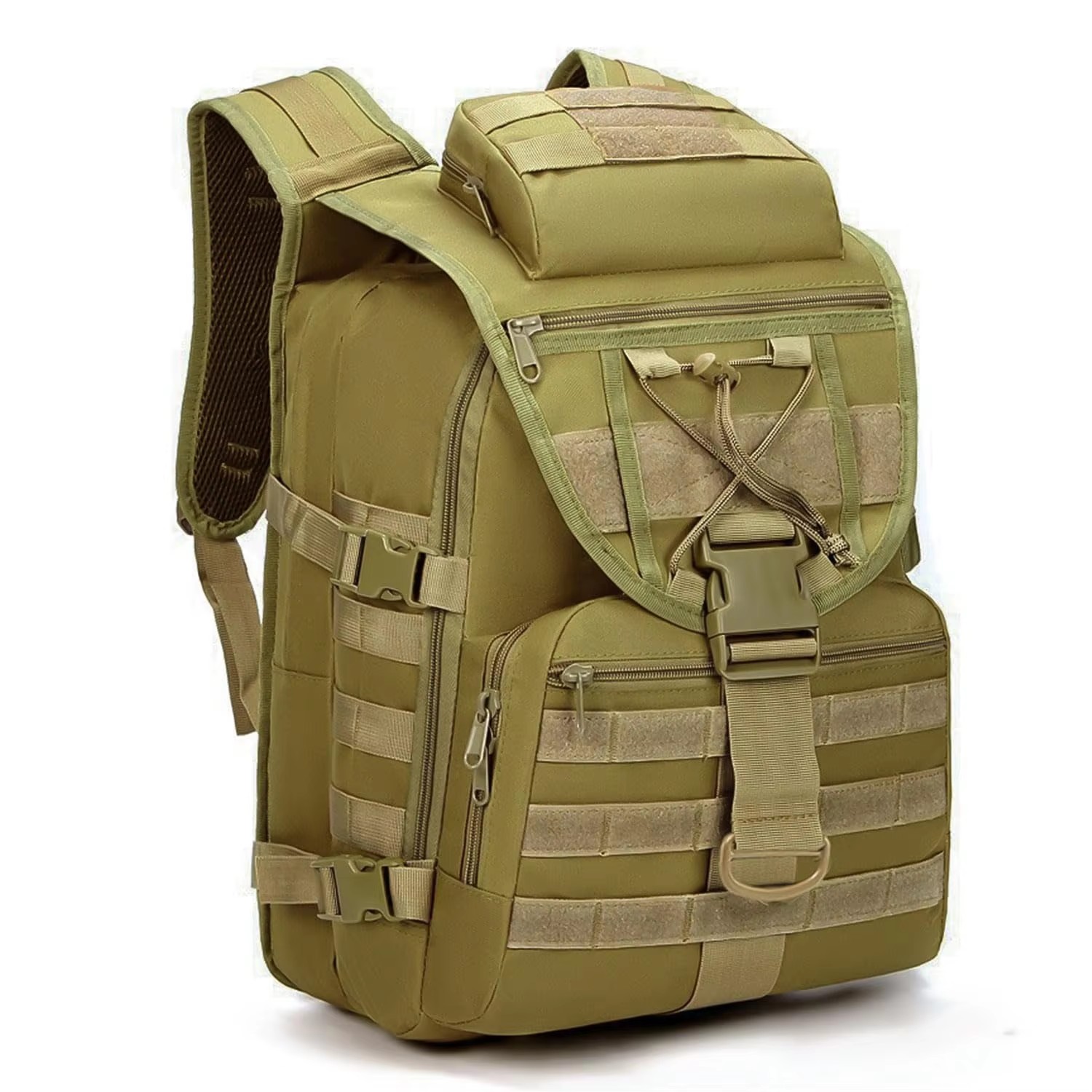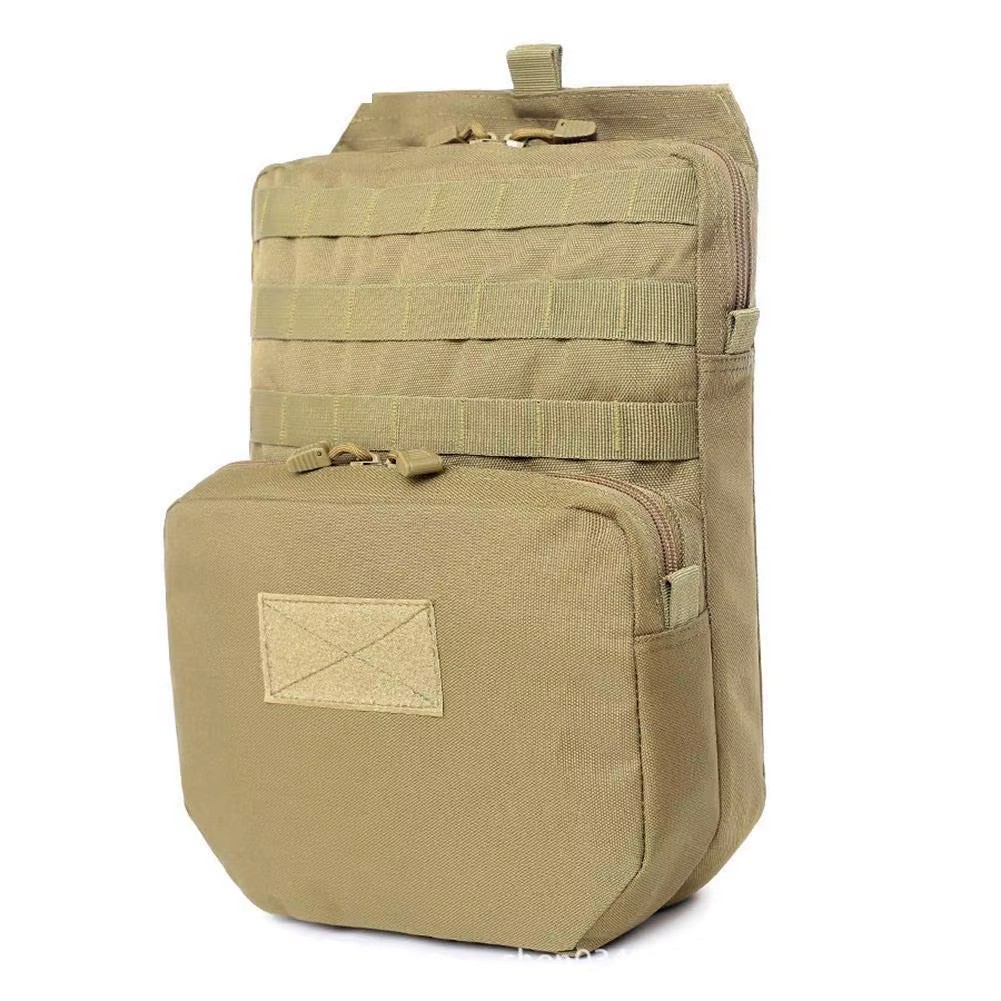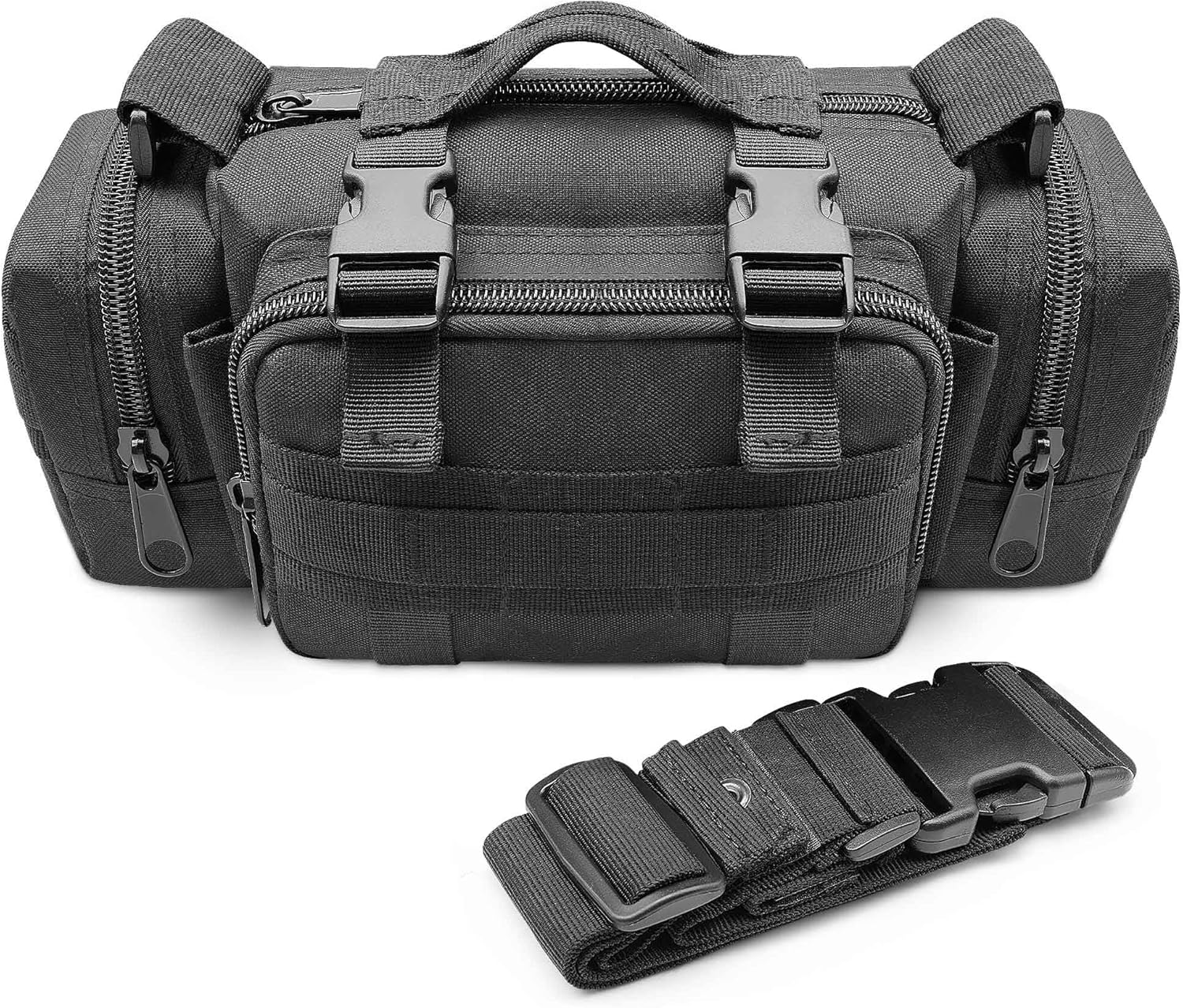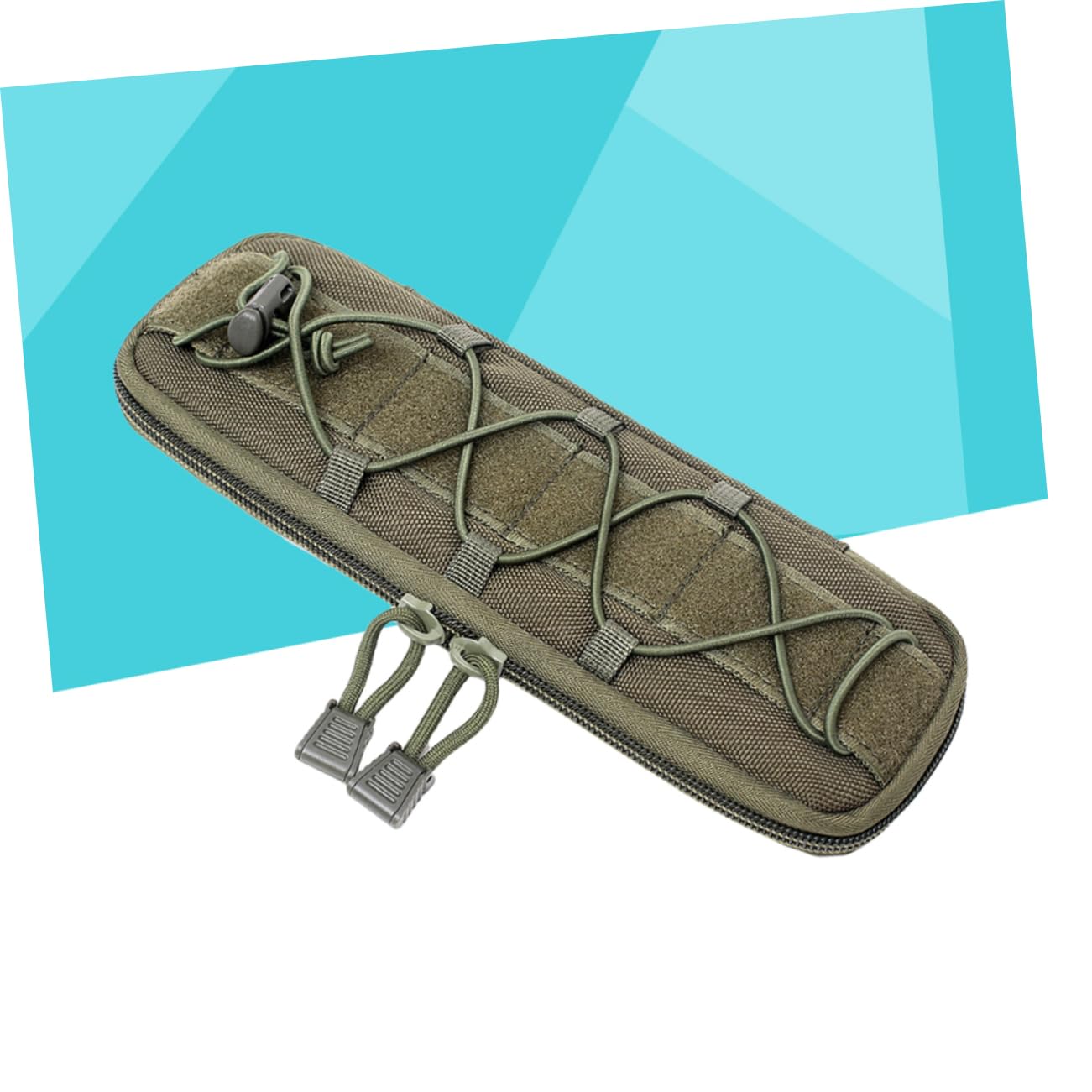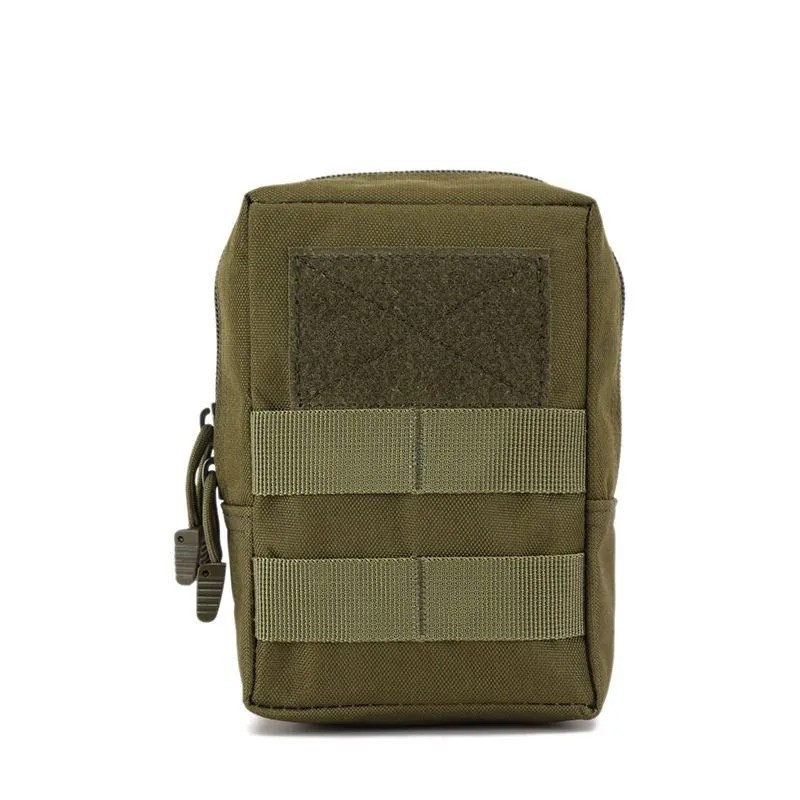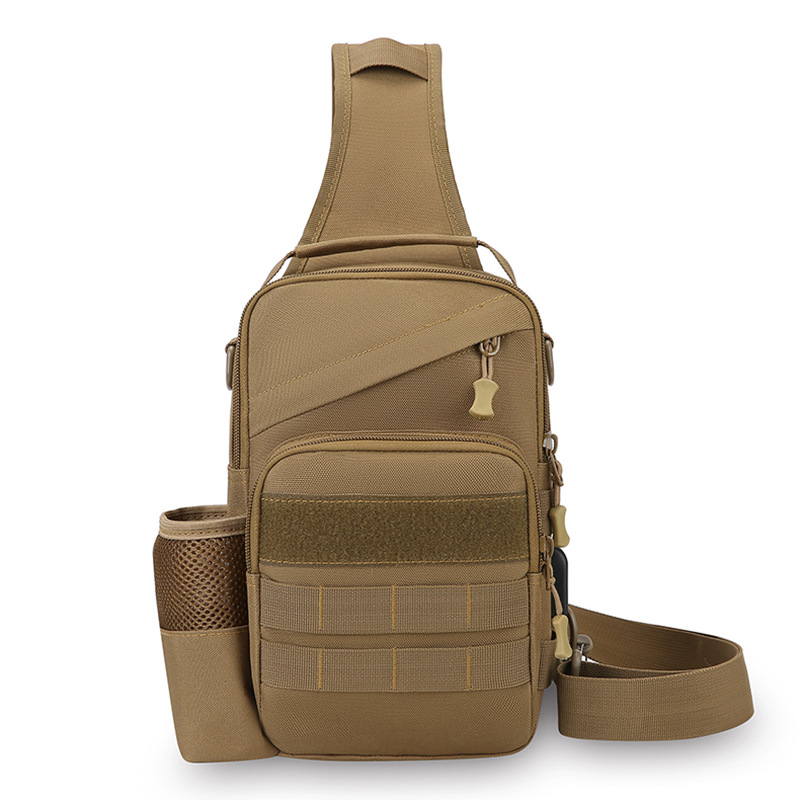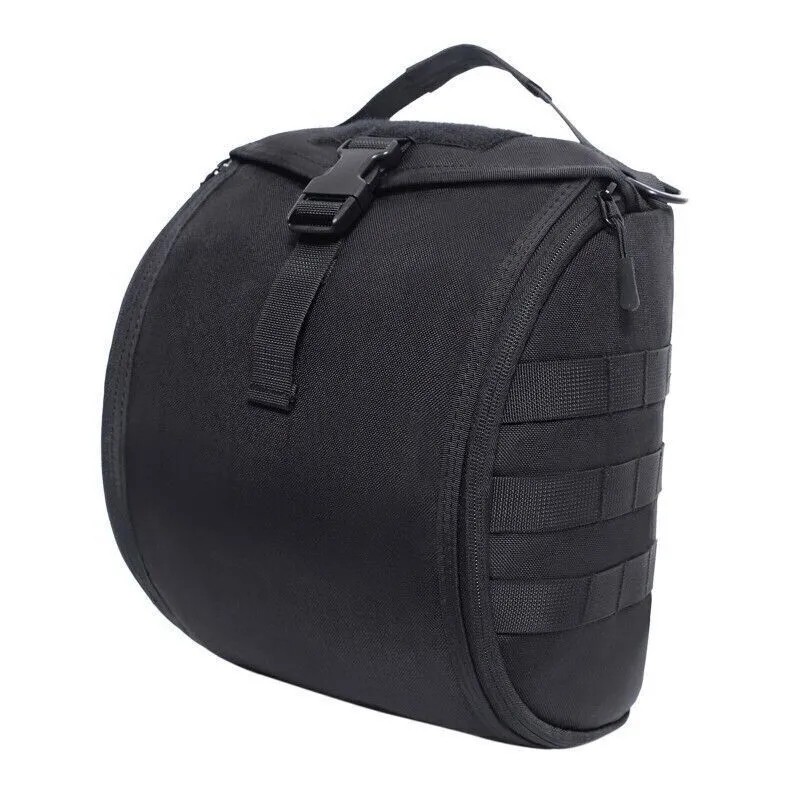


This article provides comprehensive information abouthigh quality cuttings, covering selection criteria, proper use and effective care. We'll look at the different types of cutting tools, their features and benefits, and give practical tips for extending their service life. You will learn how to choosecuttingstools that are ideal for your application, and how to avoid common mistakes that can lead to tool damage or poor performance.
When choosingcuttingshigh quality, several important factors must be taken into account. Blade material is key: high-quality steel, such as stainless steel, will ensure durability and sharpness. The geometry of the blade is also important - the optimal sharpening angle and the shape of the cutting edge affect the efficiency of work. Pay attention to the ergonomics of the handle: comfortable holding of the tool reduces fatigue and increases work safety. An important factor is the manufacturer: well-known brands usually guarantee high quality materials and workmanship.
There are many typescuttings, designed for various tasks. For example, thin and sharp blades are suitable for cutting thin materials, while more powerful and wide blades are suitable for working with dense materials. Somecuttingsequipped with additional functions such as adjustable cutting depth or removable blades, which expands their range of applications. Choosing the right typecuttings– the key to efficient and safe operation.
When working withwith cuttingsBasic safety regulations must be observed. Always wear protective gloves to avoid cuts. Work on a level and stable surface, avoiding sudden movements. Storecuttingsout of the reach of children. Proper use of the tool greatly reduces the risk of injury.
Efficiency of work withwith cuttingsdepends on the material you are cutting. Each type of material has its own cutting technique recommendations. For example, for soft materials, light pressure is enough, but for harder materials, more force is required. Using the correct technique will avoid damage to the tool and ensure a clean, even cut. When in doubt, it is better to refer to the manufacturer's instructions.
Regular sharpening and cleaningcuttings– the key to their durability and efficiency. For sharpening, you can use special sharpeners or contact a professional. After work, it is necessary to clean the blades from any remaining material and wipe them with a dry cloth. Proper carewith cuttingswill significantly extend their service life.
Proper storagecuttingsis also important for maintaining their working condition. Store them in a dry place, away from moisture and direct sunlight. Use special covers or cases to protect the blades from damage. Proper storage will help maintain sharpness and durability.cuttings.
We hope this article has helped you better understand how to select, use and care forhigh quality cutting edges. Remember that the correct approach to the selection and use of tools guarantees safety and efficiency.
| Characteristics | High quality | Low quality |
|---|---|---|
| Blade material | Stainless steel | Low quality carbon steel |
| Blade geometry | Optimal sharpening angle | Uneven sharpening |
| Handle | Ergonomic, non-slip | Uncomfortable, slippery |
For a wider range of cutting tools, visitGuangzhou Ida Travel Products Co.,Ltd- your reliable supplier of quality goods for tourism and outdoor activities.