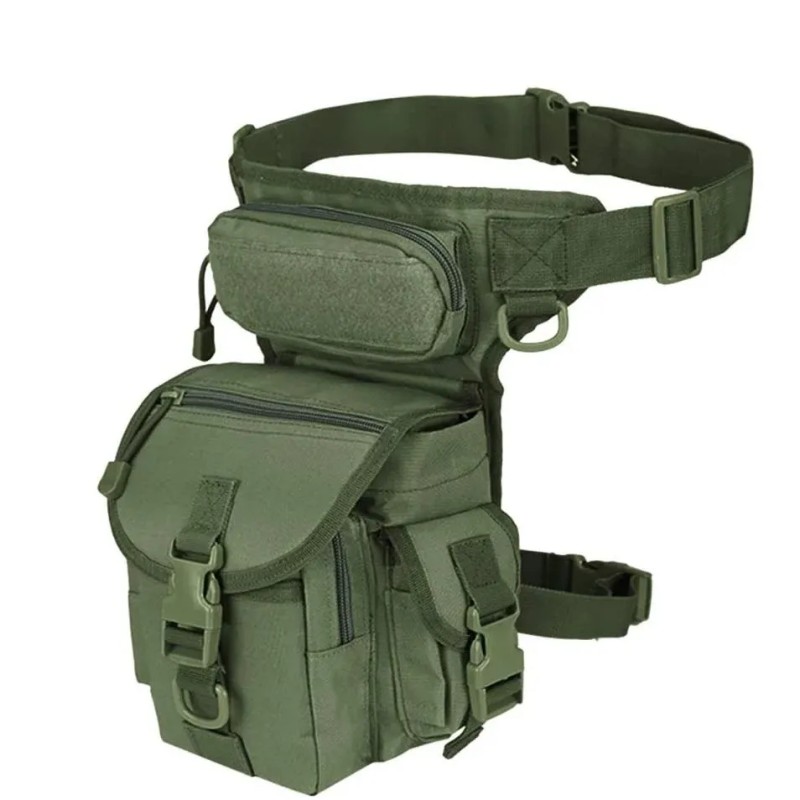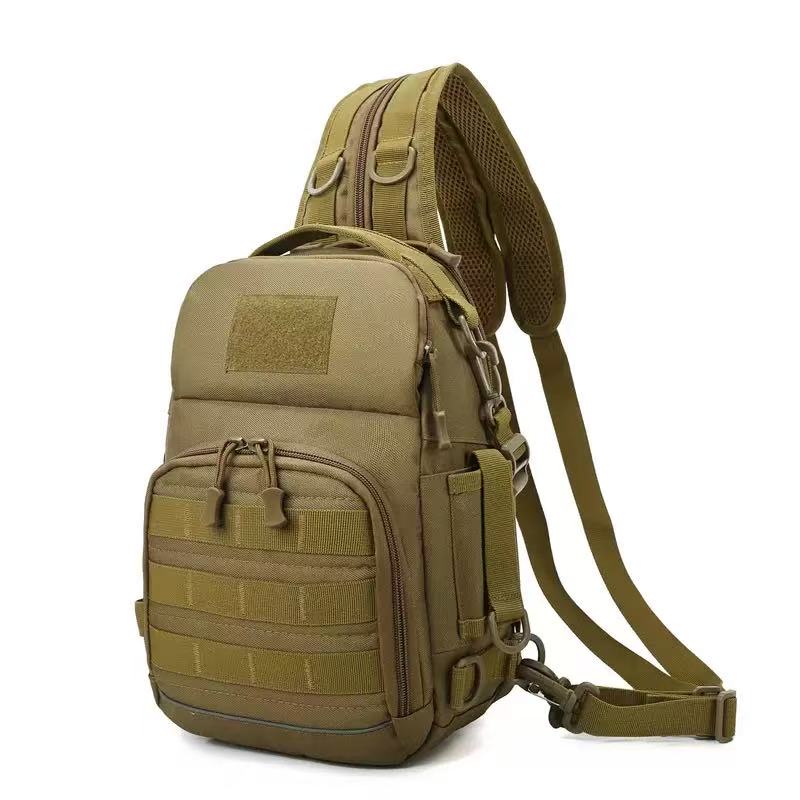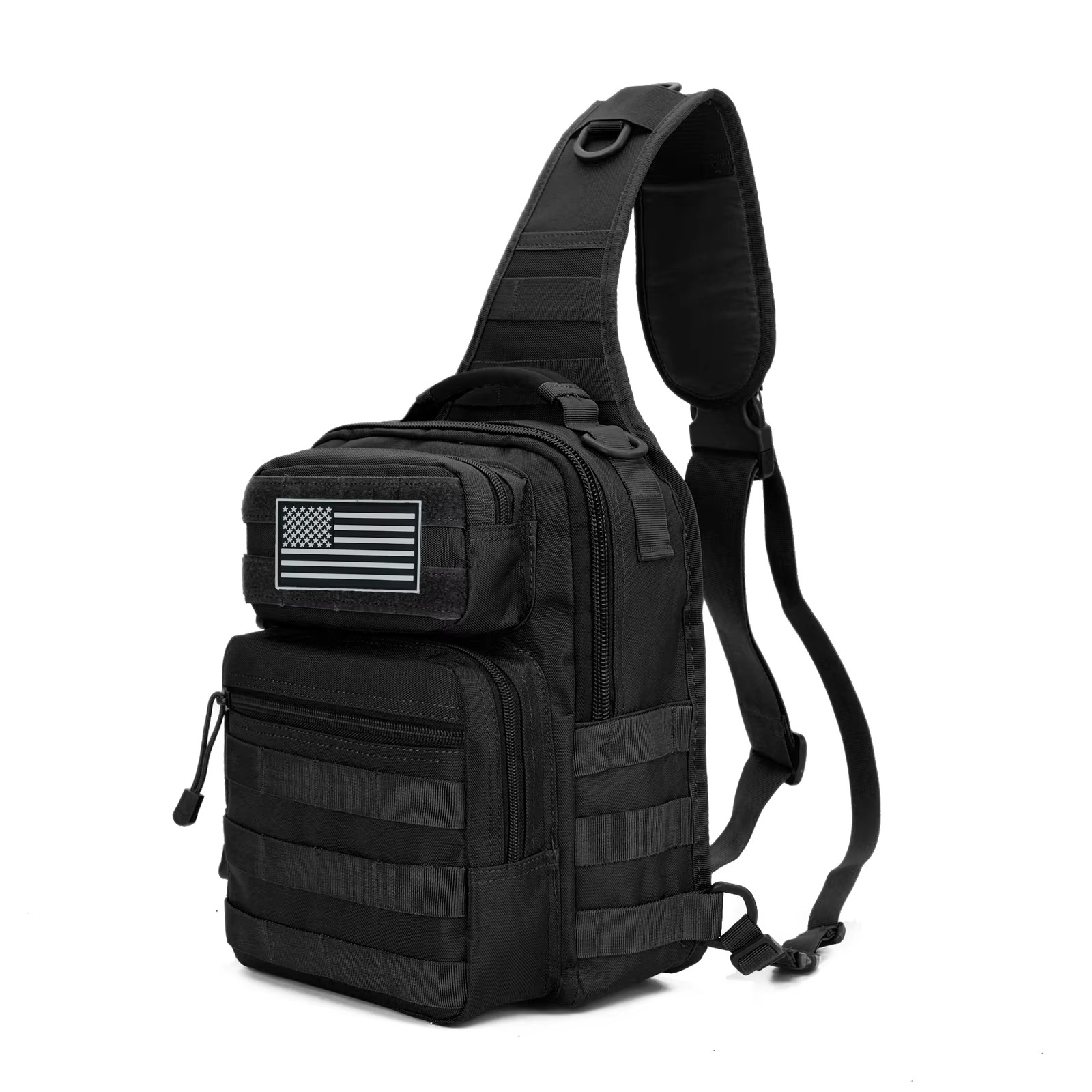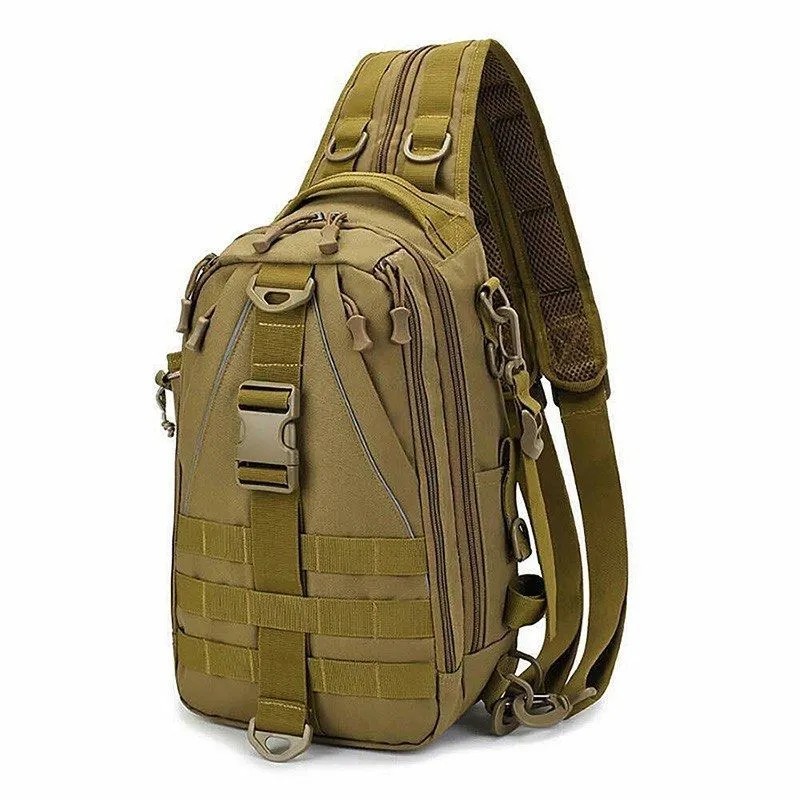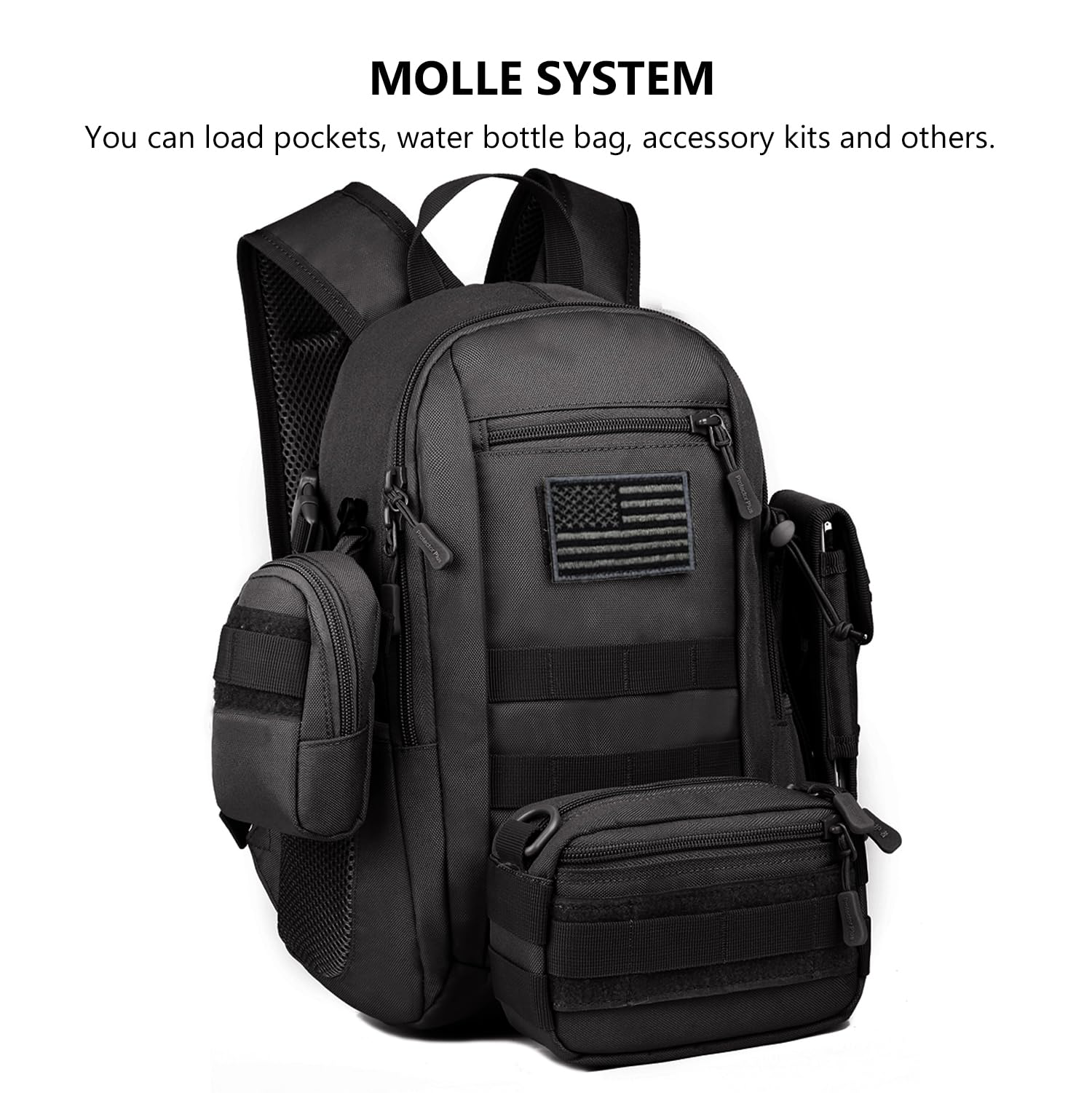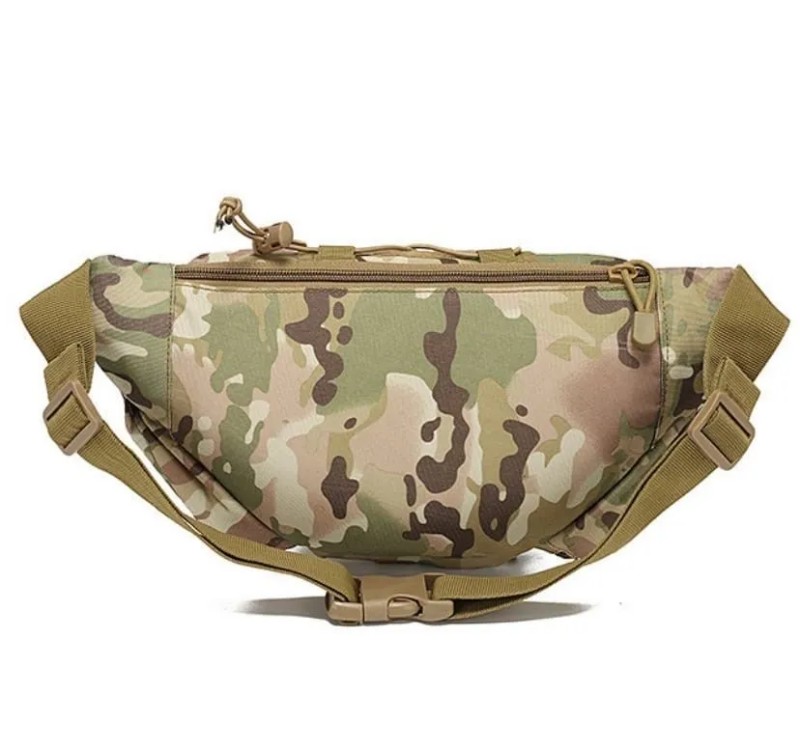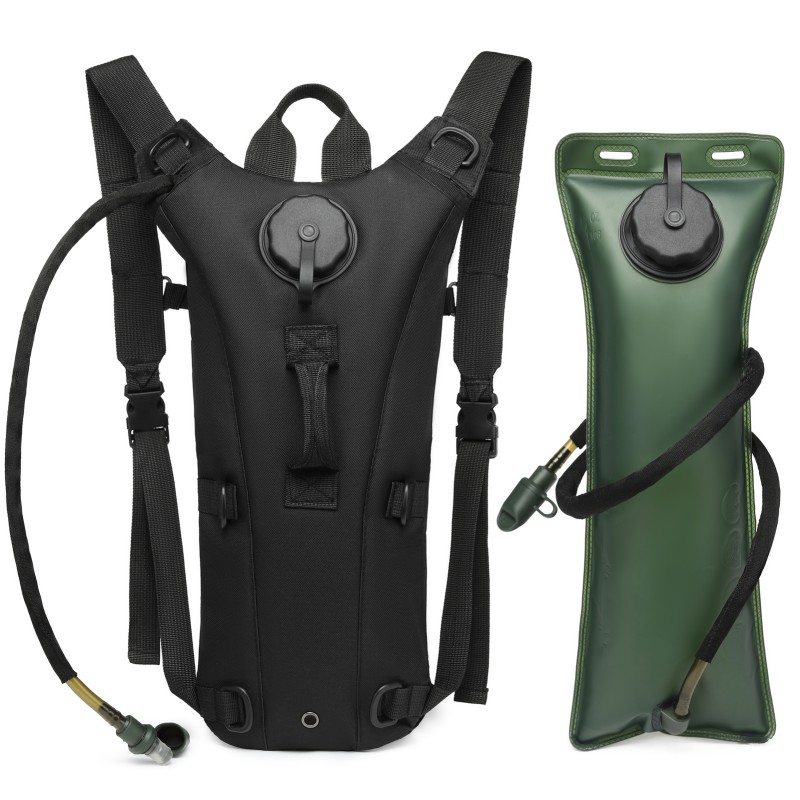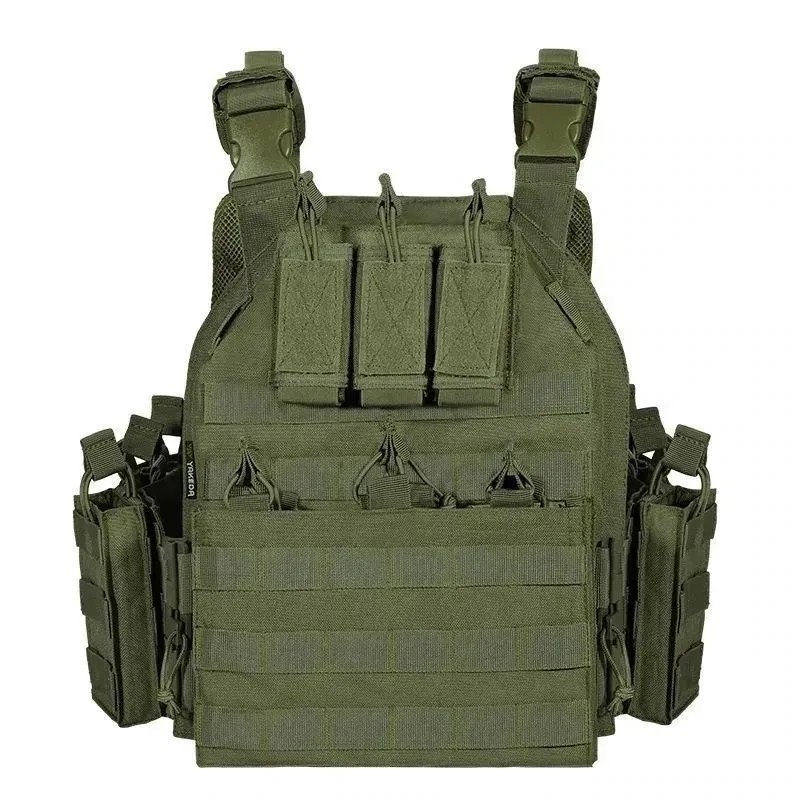

This article will help you make sense of the worldwear-resistant tactical components, offering practical advice on selecting and using durable equipment materials. You'll learn key features, selection criteria and how to ensure maximum longevity for your equipment.
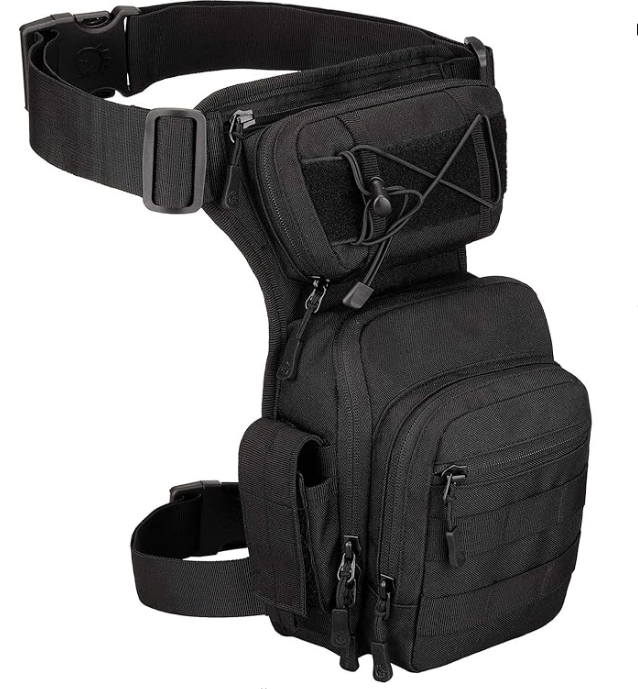
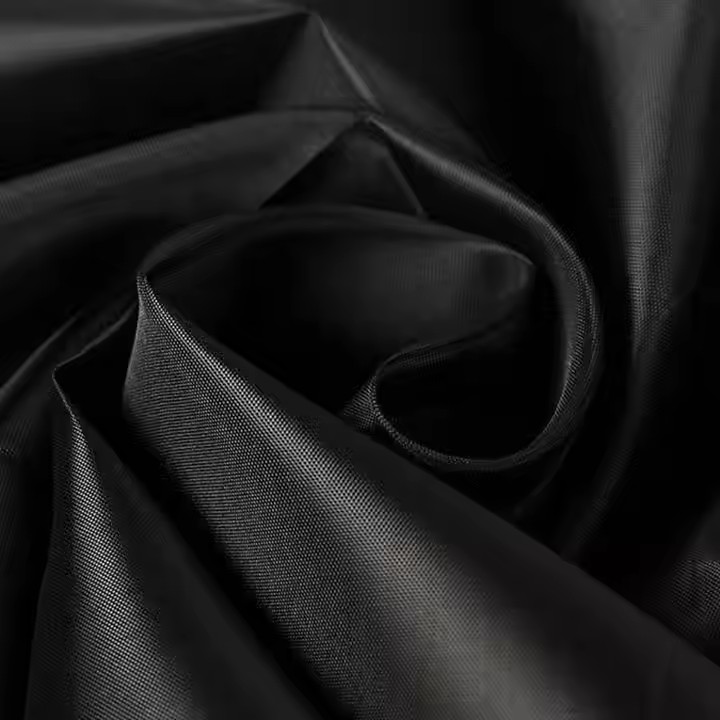
Strength and Durabilitywear-resistant tactical componentsdepend on the materials used and their processing technologies. The most common ones include: cordura (Cordura?), nylon, polyester, kevlar (kevlar). Each material has its own advantages and disadvantages that should be taken into account when choosing. For example, Cordura? Kevlar is known for its high resistance to abrasion and tearing, and kevlar for its incredible strength. Modern technologies, such as special fabric treatments (for example, DWR water-repellent impregnations), increase the wear resistance and functionality of components. It is important to pay attention to the density of the fabric, which is measured in denier. The higher the denier, the stronger the material.
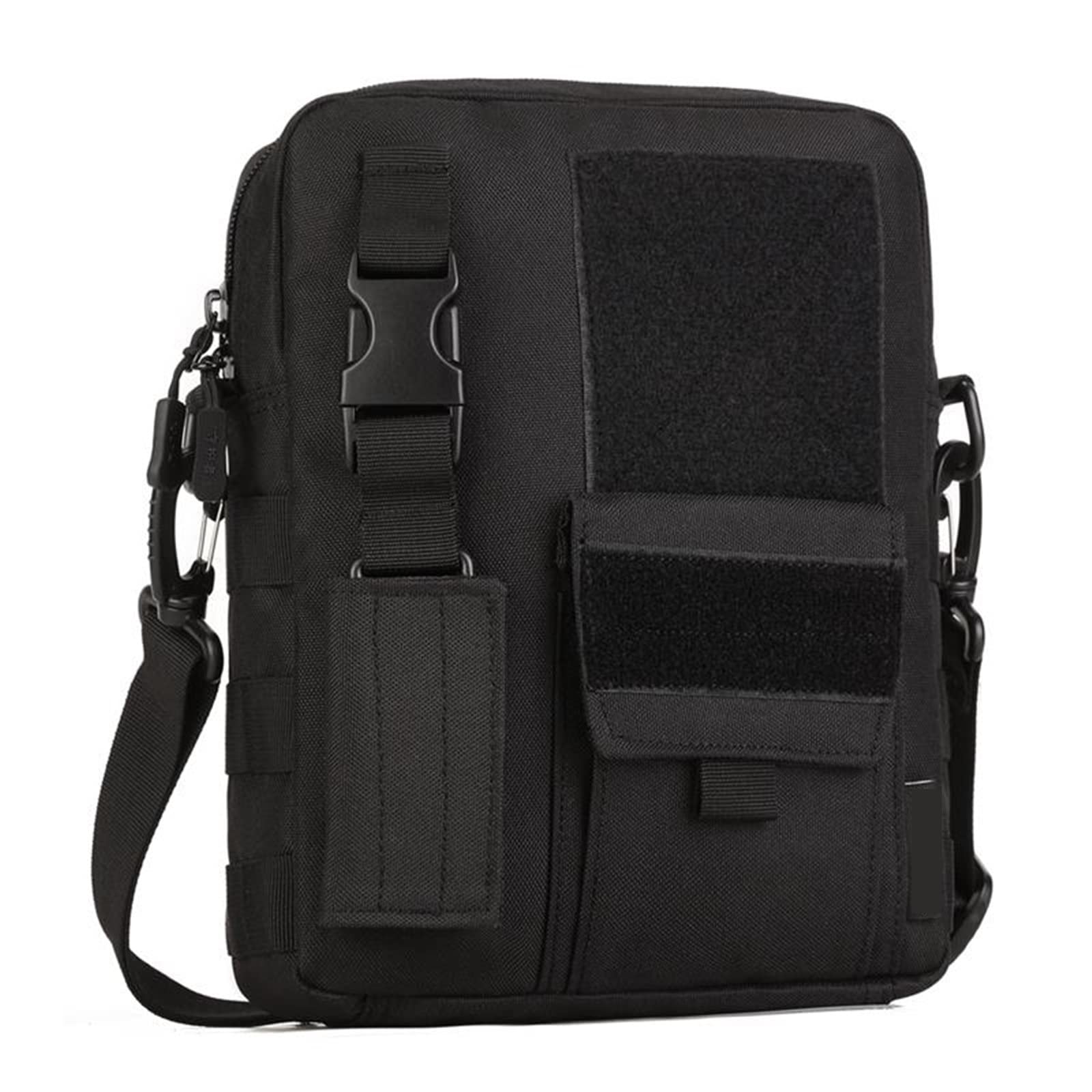
Reliabilitywear-resistant tactical componentsdetermined not only by the material, but also by the quality of the seams and fittings. Strong seams made with reinforced thread help to increase the service life of the product. Accessories such as zippers, buckles and carabiners must be made of high-strength materials and have a reliable design. It is recommended to choose fittings from well-known manufacturers with a good reputation. Consider YKK zippers, known for their quality and durability. For everyday use, you can use more affordable options, but for extreme conditions you must prefer more durable and reliable fittings.
Before you start choosingwear-resistant tactical components, you need to determine your needs and operating conditions. Components with lower strength ratings may be suitable for everyday use than for extreme conditions. For example, for a hike in the woods, a fabric with a density of 500D is sufficient, but for military purposes, a fabric with a density of 1000D or even more may be required. It is also important to take into account climatic conditions - the presence of water-repellent impregnation is critical for rainy weather.
When choosingwear-resistant tactical componentsconsider the following criteria:
| Criterion | Description |
|---|---|
| Material | Cordura?, nylon, polyester, kevlar, etc. |
| Fabric density (deni) | The higher, the stronger. |
| Seam strength | Reinforced thread, double seam. |
| Accessories | YKK zippers, high-strength buckles and carabiners. |
| Water-repellent impregnation | DWR processing. |
Find qualitywear-resistant tactical componentsavailable in specialized equipment stores. Pay attention to offers from well-known brands with a good reputation. For a wider selection, you can use online stores. When purchasing, be sure to check the quality of the material, seams and fittings. Feel free to ask sellers questions about the characteristics of the product. For a wider range and expert advice, we recommend visitingGuangzhou Ida Travel Products Co.,Ltd.
We hope this article has helped you better understand how to choose and usewear-resistant tactical components. Remember that choosing the right materials and accessories will ensure the durability and reliability of your equipment.